
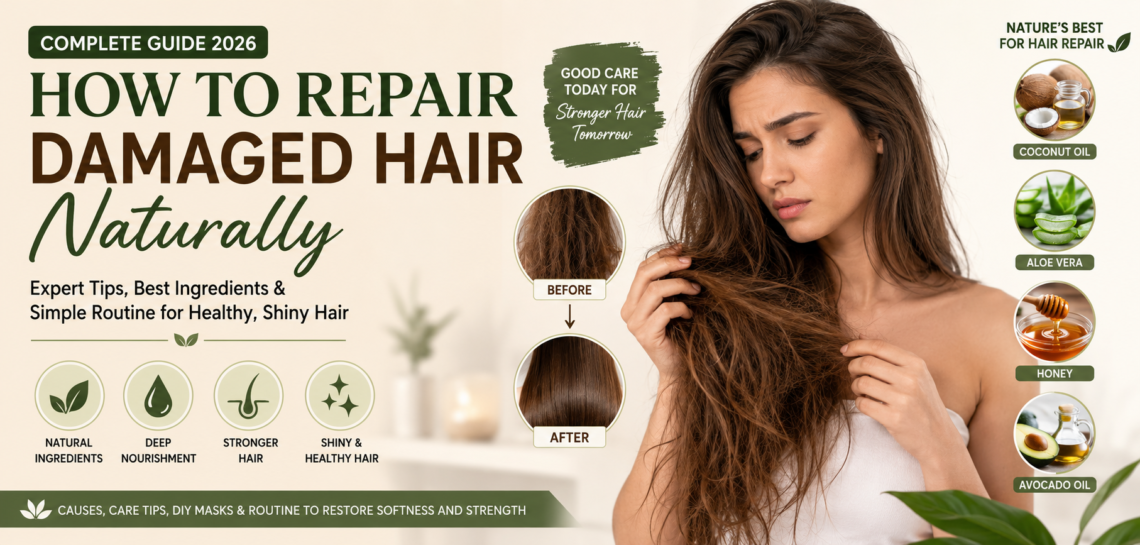
How to Repair Damaged Hair: Does your hair feel dry, rough, frizzy, or prone to breakage? You’re not alone. Daily heat styling, chemical treatments, pollution, and even washing habits can slowly weaken your hair over time.
The good news is that damaged hair can look and feel healthier with the right care routine. While split ends can’t truly be repaired, you can strengthen the hair shaft, reduce future damage, and restore softness and shine.
What Is Damaged Hair?
Damaged hair occurs when the protective outer layer (cuticle) becomes weakened or lifted. Once the cuticle is damaged, moisture escapes easily, making hair dry, brittle, and difficult to manage.
Healthy hair has a smooth cuticle that reflects light, while damaged hair appears dull and feels rough.
Common Causes of Hair Damage
Understanding the cause helps you prevent further damage.
1. Excessive Heat Styling
Using straighteners, curling irons, and blow dryers regularly can strip moisture from your hair and weaken its protein structure.
2. Chemical Treatments
Hair coloring, bleaching, rebonding, and perming can make hair more porous and fragile.
3. Sun Exposure
UV rays can dry out hair, fade color, and weaken the outer cuticle.
4. Frequent Washing
Overwashing removes natural oils that protect and nourish your hair.
5. Tight Hairstyles
Constant tension from tight ponytails or buns may cause hair breakage over time.
6. Poor Nutrition
Hair needs protein, vitamins, iron, zinc, and healthy fats to remain strong and healthy.
7. Environmental Damage
Pollution, chlorine, hard water, and dust can gradually affect hair health.
Signs Your Hair Is Damaged
You may notice one or more of these symptoms:
- Dry, rough texture
- Split ends
- Excessive frizz
- Hair breakage
- Dull appearance
- Tangled hair
- Lack of elasticity
- Weak strands
- Hair that snaps easily
If these problems continue, it’s time to improve your hair care routine.
Best Ways to Repair Damaged Hair
1. Use a Gentle Shampoo
Choose a sulfate-free shampoo that cleanses without stripping natural oils.
Look for ingredients such as:
- Aloe vera
- Glycerin
- Coconut-derived cleansers
- Panthenol
Avoid harsh shampoos if your hair is already dry.
Also Known:
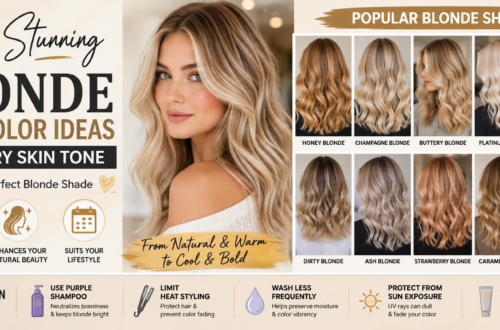
1. 35 Stunning Blonde Hair Color Ideas for Every Skin Tone in 2026
2. 15 Ways to Help Your Hair Grow Faster and Stronger
2. Never Skip Conditioner
Conditioner smooths the cuticle and helps lock in moisture.
Focus on applying conditioner to the mid-lengths and ends instead of the scalp.
3. Deep Condition Weekly
A nourishing hair mask provides intense hydration.
Use one 1–2 times every week if your hair feels dry or damaged.
Ingredients that work well include:
- Shea butter
- Argan oil
- Avocado oil
- Keratin
- Ceramides
4. Reduce Heat Styling
Whenever possible:
- Air dry your hair
- Use lower heat settings
- Always apply a heat protectant before styling
Less heat means less long-term damage.
5. Trim Split Ends Regularly
Split ends cannot be repaired permanently.
Trim your hair every 6–8 weeks to prevent the split from traveling further up the hair shaft.
6. Apply Hair Oil
Hair oils help reduce moisture loss and add shine.
Popular choices include:
- Coconut oil
- Argan oil
- Jojoba oil
- Almond oil
Apply a small amount to the ends after washing or use as a pre-shampoo treatment.
7. Protect Hair While Sleeping
Sleeping on rough cotton pillowcases may increase friction.
Instead:
- Use a silk or satin pillowcase
- Braid long hair loosely before bed
- Avoid sleeping with wet hair
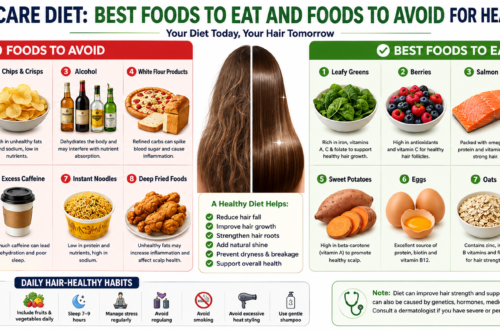
8. Eat Hair-Friendly Foods
Healthy hair starts from within.
Include foods rich in:
- Protein
- Eggs
- Fish
- Nuts
- Seeds
- Leafy greens
- Sweet potatoes
- Berries
- Greek yogurt
Drinking enough water also supports overall hair health.
Natural DIY Hair Mask for Damaged Hair
Try this easy homemade treatment once a week.
Ingredients
- 2 tablespoons plain yogurt
- 1 tablespoon honey
- 1 tablespoon coconut oil
Directions
- Mix all ingredients.
- Apply to damp hair.
- Leave for 30 minutes.
- Rinse with lukewarm water.
- Shampoo and condition as usual.
This mask helps improve softness and hydration.
Daily Hair Care Routine for Damaged Hair
Morning
- Gently detangle hair
- Apply a lightweight hair serum
- Protect hair from excessive sun exposure
Wash Day
- Use a moisturizing shampoo
- Apply conditioner
- Finish with cool water to help smooth the cuticle
Weekly
- Deep conditioning treatment
- Hair oil massage
- Trim damaged ends when needed
Consistency is more important than using many products.
Hair Care Mistakes to Avoid
Many people unknowingly make these mistakes:
- Washing hair with very hot water
- Brushing wet hair aggressively
- Using too much heat
- Coloring hair too often
- Skipping conditioner
- Using harsh shampoos daily
- Rubbing hair with a rough towel
- Ignoring split ends
Avoiding these habits can help maintain healthier hair.
Can Damaged Hair Be Fully Repaired?
Hair fibers cannot biologically heal once they are damaged. However, with proper care, you can improve their appearance, reduce breakage, increase softness, and protect new hair growth from future damage.
A combination of gentle cleansing, conditioning, regular trims, and minimizing heat and chemical exposure can make a noticeable difference over time.
Frequently Asked Questions
How long does it take to repair damaged hair?
Most people notice improvements in softness and manageability within 4–8 weeks of following a consistent hair care routine. Healthier new hair growth takes several months.
What is the best oil for damaged hair?
Coconut oil helps reduce protein loss, while argan oil adds shine and softness. Jojoba and almond oils are also excellent choices for dry hair.
Can split ends be repaired?
No. Split ends cannot be permanently repaired. Trimming them is the best solution.
Is it okay to wash damaged hair every day?
Daily washing may dry out already damaged hair. Washing 2–3 times per week is often enough for most hair types, depending on your scalp and lifestyle.
Does heat protectant really work?
Yes. Heat protectants help reduce moisture loss and minimize heat-related damage, though they don’t eliminate it completely.
Final Thoughts on How to Repair Damaged Hair
Repairing damaged hair takes patience and consistency, not expensive products alone. A gentle routine that includes moisturizing shampoo, nourishing conditioner, weekly deep treatments, regular trims, and protection from heat can gradually restore softness, shine, and strength.
Focus on preventing further damage while caring for new hair growth. Over time, healthy habits will help your hair become smoother, stronger, and easier to manage.



Great content! Keep up the good work!