
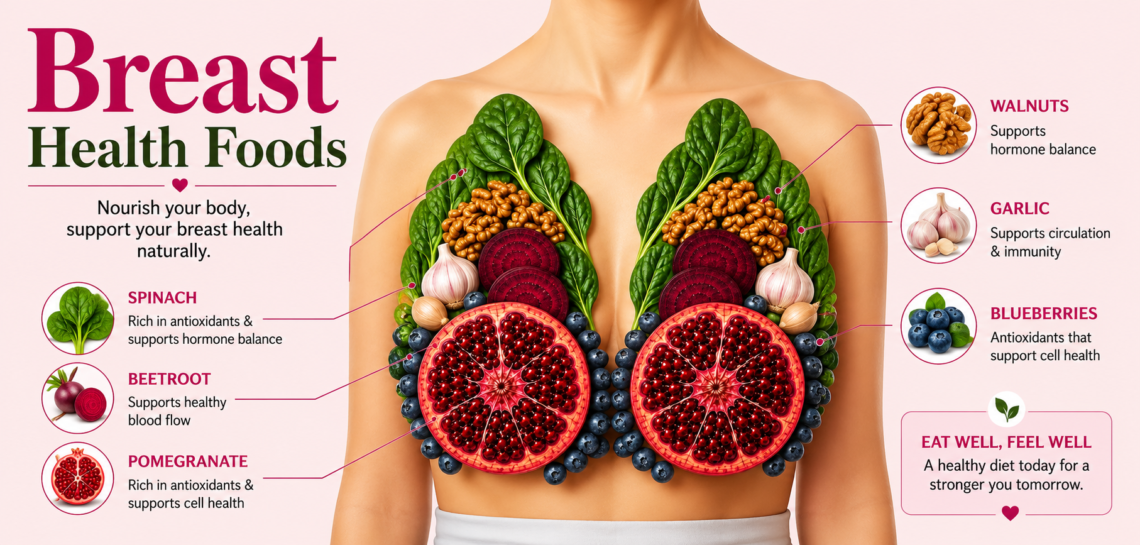
Breast Health Guide: Breast health is an important part of every woman’s overall well-being. While many people only think about breast health when they hear about breast cancer, maintaining healthy breasts involves much more than screenings. Daily lifestyle choices, regular self-awareness, balanced nutrition, physical activity, and understanding normal breast changes all play an essential role.
Every woman experiences natural breast changes throughout life due to age, hormones, pregnancy, breastfeeding, and menopause. Knowing what is normal for your body helps you recognize unusual changes early and seek medical advice when needed.
This complete breast health guide explains everything you need to know about caring for your breasts naturally, recognizing warning signs, performing breast self-checks, and building healthy habits that support long-term wellness.
Why Breast Health Matters
Healthy breasts are an important part of a woman’s physical and emotional well-being. Paying attention to breast health allows you to:
- Notice changes earlier
- Understand your normal breast appearance and feel
- Support overall women’s health
- Make informed healthcare decisions
- Build healthy daily habits
Early awareness doesn’t necessarily prevent disease, but it can help identify changes that deserve medical evaluation.
Also Known:
1. High-Protein Breakfast Ideas for Women: Easy, Delicious Meals That Keep You Full and Energized
2. Breast Health Foods: Nutrient-Rich Foods That Support Overall Breast Wellness Naturally
Understanding Normal Breast Changes
Many breast changes are completely normal.
Your breasts may change during:
- Menstrual cycles
- Pregnancy
- Breastfeeding
- Menopause
- Weight gain or loss
- Aging
Common normal changes include:
- Mild tenderness before periods
- Temporary swelling
- Changes in firmness
- Small differences between both breasts
- Changes in nipple appearance
Understanding your body’s natural pattern makes it easier to notice unusual changes.
Daily Habits That Support Breast Health
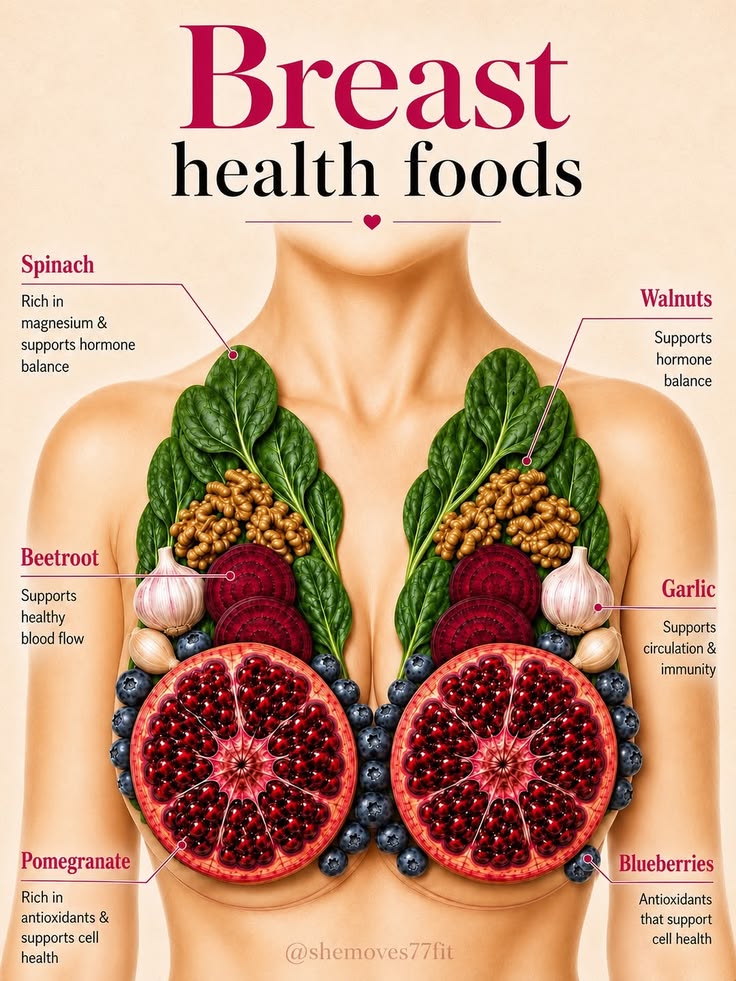
Eat a Nutrient-Rich Diet
A balanced diet supports your overall health, including breast tissue.
Focus on foods like:
- Leafy green vegetables
- Berries
- Citrus fruits
- Whole grains
- Beans
- Lentils
- Healthy fats
- Nuts
- Seeds
- Fatty fish
Try to limit:
- Highly processed foods
- Excess added sugar
- Trans fats
- Excess alcohol
Maintain a Healthy Weight
Maintaining a healthy weight supports hormone balance and overall wellness.
Simple ways include:
- Walking daily
- Regular exercise
- Portion control
- Eating more vegetables
- Staying active throughout the day
Exercise Regularly
Aim for at least 150 minutes of moderate physical activity each week, along with strength training on two or more days. Regular movement supports overall health, helps maintain a healthy weight, and contributes to long-term wellness.
Good options include:
- Brisk walking
- Swimming
- Cycling
- Yoga
- Pilates
- Resistance training
Wear a Properly Fitted Bra
A properly fitted bra can improve comfort, especially during exercise or for women with larger breasts.
Choose bras that:
- Fit comfortably
- Provide adequate support
- Don’t dig into the skin
- Match your activity level
Stay Hydrated
Water supports overall body function.
Drink enough water throughout the day and include water-rich foods like:
- Cucumbers
- Watermelon
- Oranges
- Strawberries
Breast Self-Awareness
Rather than focusing on a rigid monthly routine, many health experts encourage breast self-awareness. This means becoming familiar with how your breasts normally look and feel so you can notice any unusual changes.
Look for:
- New lumps or thickened areas
- Swelling
- Skin dimpling
- Persistent redness
- Nipple discharge (especially if bloody or occurring without squeezing)
- Nipple inversion that is new
- Changes in breast size or shape
If you notice any of these changes, schedule an appointment with a healthcare professional.
How to Perform a Breast Self-Check
Although self-checks are not a substitute for professional screening, they can help you become familiar with your normal breast tissue.
Step 1
Stand in front of a mirror.
Check for:
- Shape
- Symmetry
- Skin changes
- Nipple changes
Step 2
Raise both arms.
Look for changes in contour or movement.
Step 3
While lying down or in the shower, use the pads of your three middle fingers to gently examine your breasts using small circular motions.
Cover the entire breast area, including the armpit.
Warning Signs You Should Never Ignore
Contact your healthcare provider if you notice:
- A new lump
- Persistent breast pain in one area
- Bloody nipple discharge
- Skin dimpling
- Thickened skin
- New nipple inversion
- Swelling that doesn’t improve
- Changes in breast size that occur suddenly
Many breast changes are not cancer, but they should always be evaluated by a medical professional.
Breast Screening
Screening recommendations vary depending on age, family history, and personal risk factors. Talk with your healthcare provider about when mammograms or other screening tests are appropriate for you.
Healthy Lifestyle Checklist
✔ Eat plenty of fruits and vegetables
✔ Exercise regularly
✔ Maintain a healthy weight
✔ Avoid smoking
✔ Limit alcohol
✔ Get enough sleep
✔ Manage stress
✔ Know your normal breast appearance
✔ Attend recommended health checkups
Common Myths About Breast Health
Myth: Only older women should care about breast health.
Fact: Breast awareness is important for adult women of all ages.
Myth: Breast pain always means cancer.
Fact: Most breast pain has non-cancerous causes, but persistent or concerning pain should be evaluated.
Myth: If there is no family history, breast cancer is impossible.
Fact: Many people diagnosed with breast cancer have no family history.
Conclusion on Breast Health Guide
Breast health is about more than disease prevention—it’s about understanding your body, adopting healthy habits, and seeking medical advice when something doesn’t feel right. A balanced diet, regular exercise, maintaining a healthy weight, and staying aware of changes in your breasts all contribute to long-term wellness.
Remember that every woman’s body is unique. Routine healthcare visits and discussions with your healthcare provider are essential for personalized advice and screening recommendations.




3 Comments on “Breast Health Guide for Women: Daily Care, Warning Signs, Self-Exam & Prevention Tips”